Bite-Sized Suspension Theory for Full-Sized Benefits
Part II: Rebound Basics

Rebound damping is the amount of hydraulic resistance to your suspension extending after it’s been compressed.
More rebound damping (turning adjuster clockwise) will make the shock/fork extend more slowly, while less rebound damping (turning adjuster counter-clockwise) will allow the shock/fork to extend more quickly. The speed at which the suspension extends directly affects three aspects of its performance: traction, the feeling of control, and plushness of the suspension.
1. Traction
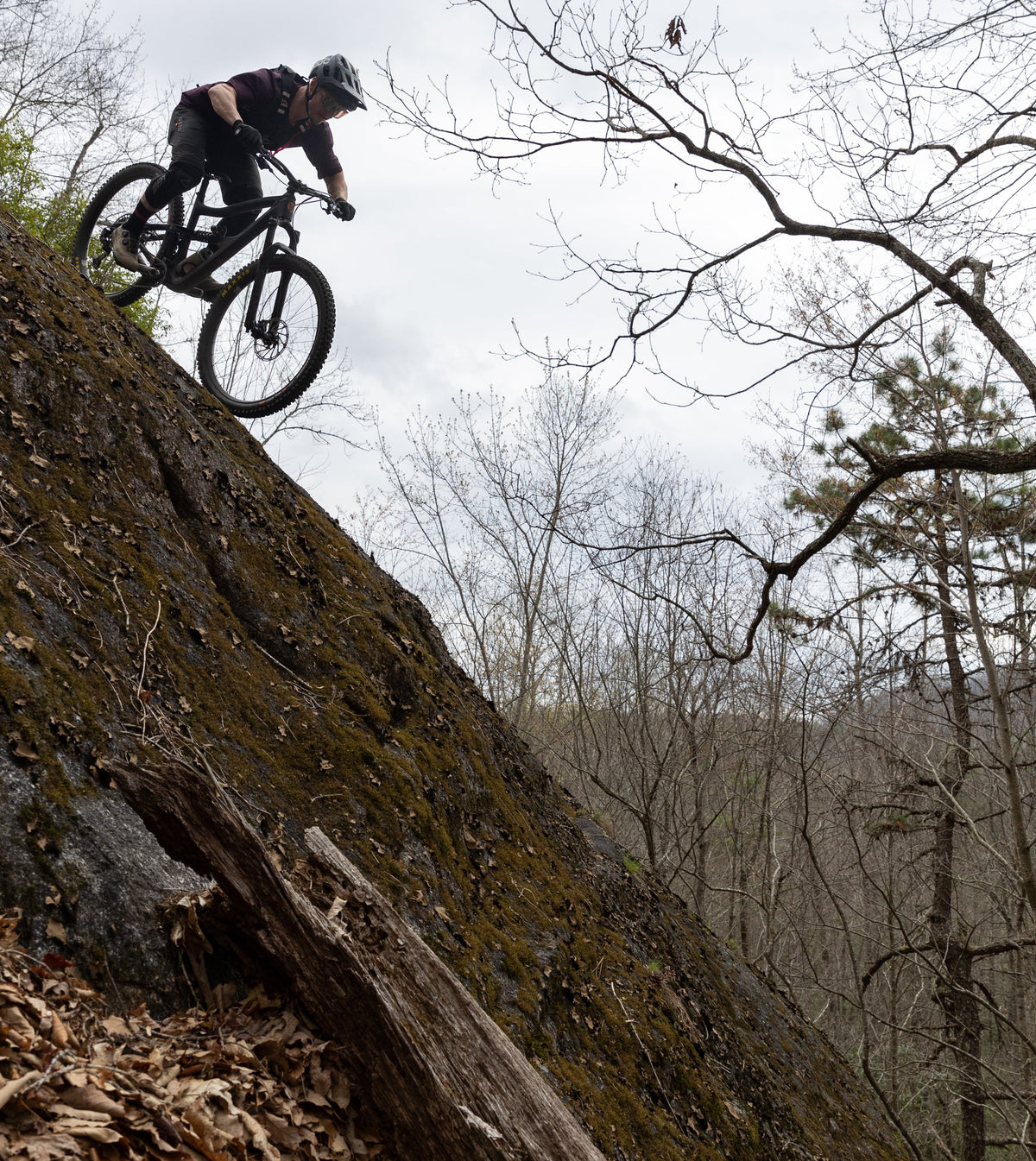
It may be surprising to hear that low-speed rebound has a lot to do with how much traction your bike exhibits. When your tire hits a bump, your suspension compresses and energy is stored in the spring. With too little rebound damping, the spring is allowed to extend in an uncontrolled way. This uncontrolled movement can cause the tire to skip or bounce along the surface of the trail and as such, creates a loss of traction.
If you feel like your bike is wanting to slide out in corners or if the rear wheel skids too easily when braking, try speeding up the low speed rebound.
1. Traction
It may be surprising to hear that low-speed rebound has a lot to do with how much traction your bike exhibits. When your tire hits a bump, your suspension compresses and energy is stored in the spring. With too little rebound damping, the spring is allowed to extend in an uncontrolled way. This uncontrolled movement can cause the tire to skip or bounce along the surface of the trail and as such, creates a loss of traction.
If you feel like your bike is wanting to slide out in corners or if the rear wheel skids too easily when braking, try speeding up the low speed rebound.
2. The Feeling of Control
While it makes your bike feel snappy, playful, and efficient in the parking lot, a very fast rebound setting is a hard thing to control once you get up to trail speed.
Rebound should be quick enough that you feel like you have adequate traction, but not so fast that your bike feels nervous or twitchy when rocketing full speed through a rock garden. If you feel like a pinball getting bounced though rough sections, try slowing your rebound down several clicks (clockwise).
Slightly slower rebound makes the bike feel more predictable and gives you a greater sense of control. This, in turn, can help you gain confidence on the trail.
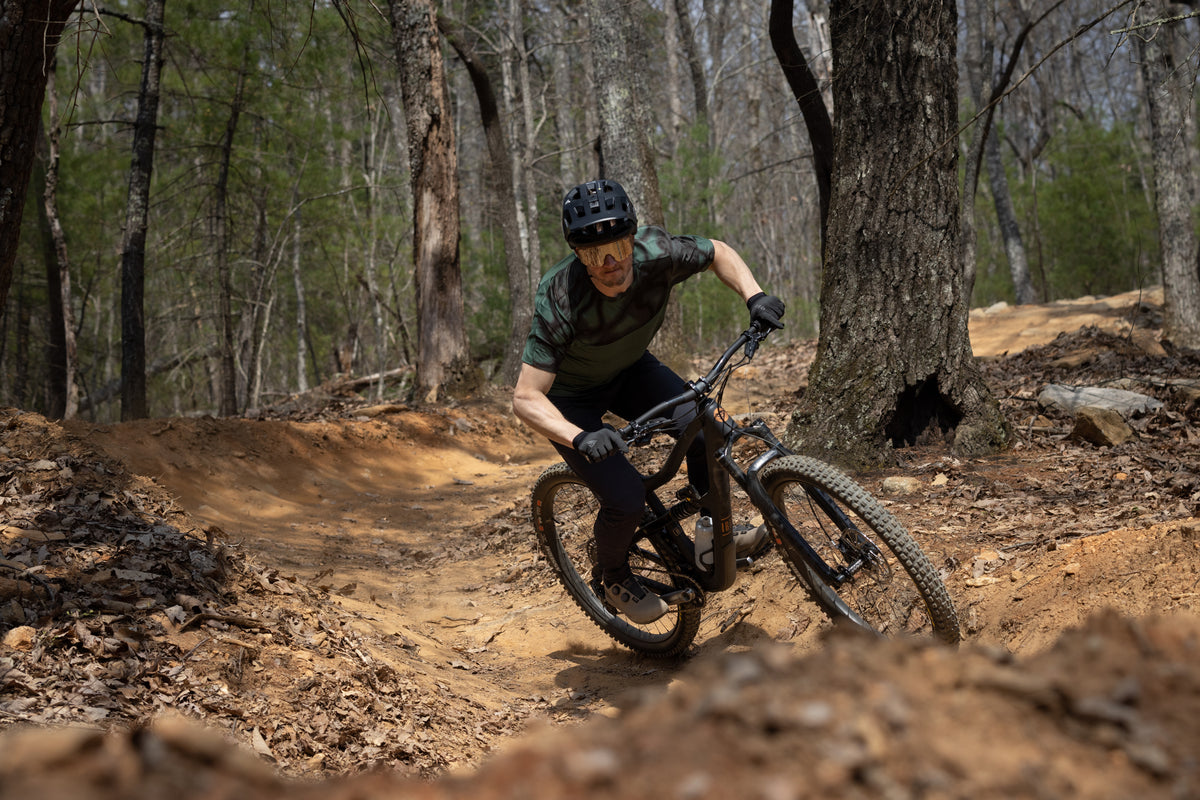
2. The Feeling of Control
While it makes your bike feel snappy, playful, and efficient in the parking lot, a very fast rebound setting is a hard thing to control once you get up to trail speed.
Rebound should be quick enough that you feel like you have adequate traction, but not so fast that your bike feels nervous or twitchy when rocketing full speed through a rock garden. If you feel like a pinball getting bounced though rough sections, try slowing your rebound down several clicks (clockwise).
Slightly slower rebound makes the bike feel more predictable and gives you a greater sense of control. This, in turn, can help you gain confidence on the trail.
3. Plushness
Ok, so you’ve adjusted your rebound a bit slower to increase the feeling of control. Your suspension doesn’t rebound as erratically now, but if you take this adjustment too far you can wind up with suspension that feels harsh. This is because now your suspension is spending too much time in a compressed state, where the spring force is much higher. (This is explained in Full Travel, pt. II if you’ve not read it already).
We call this behavior “packing up.”
If you’ve adjusted your rebound to be slower to try to increase the sense of control, but have recently become aware that the bike feels overly harsh, then try opening the rebound back up again by a few clicks. This will allow the suspension to return to it’s extended starting point sooner, getting you back into that range of lower (softer) spring force. The wheel is allowed to flutter more easily over bumps and the suspension will feel more plush.
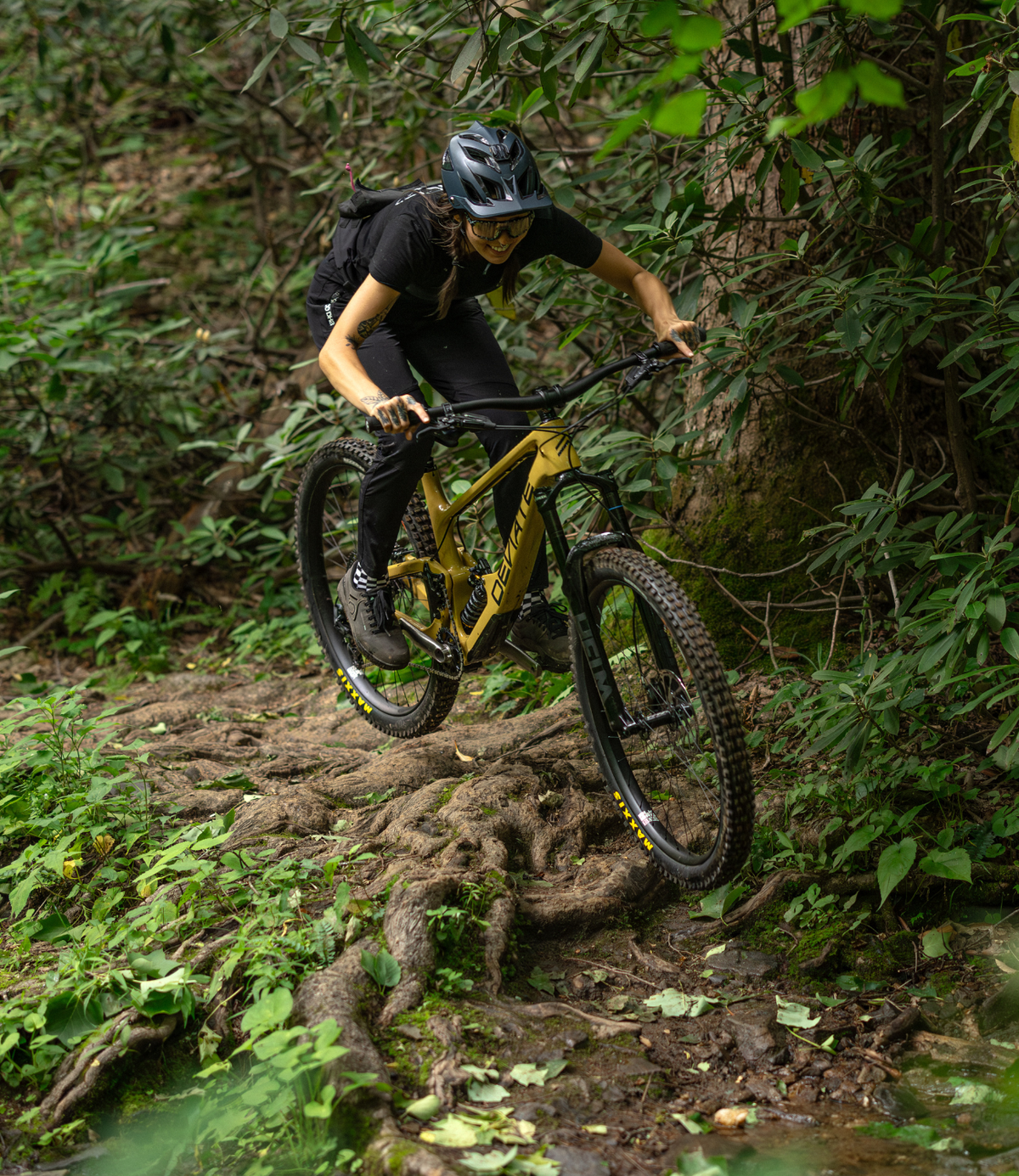
3. Plushness
Ok, so you’ve adjusted your rebound a bit slower to increase the feeling of control. Your suspension doesn’t rebound as erratically now, but if you take this adjustment too far you can wind up with suspension that feels harsh. This is because now your suspension is spending too much time in a compressed state, where the spring force is much higher. (This is explained in Full Travel, pt. II if you’ve not read it already).
We call this behavior “packing up.”
If you’ve adjusted your rebound to be slower to try to increase the sense of control, but have recently become aware that the bike feels overly harsh, then try opening the rebound back up again by a few clicks. This will allow the suspension to return to it’s extended starting point sooner, getting you back into that range of lower (softer) spring force. The wheel is allowed to flutter more easily over bumps and the suspension will feel more plush.
Like with all aspects of suspension tuning, Rebound is best in moderation. Remember that it’s good to have just enough – not too much, not too little. Don’t be afraid to play around with both extremes on terrain you feel safe riding. See what the possibilities feel like and remember to tune for confidence. Which rebound setting allows you to turn off your brain and feel confident and in control for fast, easy, and relaxed riding?
In the next article, we’ll dive into a similar basic overview of compression damping.
Find Your Perfect Tune
Enjoying Full Travel? Put all of these concepts to work and dive deeper into shock setup using our step-by-step, interactive tuning app. It's easy to follow, and totally free!