Published: February 2026
Buying a first gravel bike comes down to three foundational decisions: tire clearance (at least 42mm for true versatility), brake type (hydraulic disc brakes are non-negotiable for safety and performance), and drivetrain simplicity (1x systems eliminate the confusion of front derailleurs). Everything else—frame material, geometry, and component specifications—should be evaluated based on where you actually plan to ride and how much you're willing to spend.
The bicycle industry has overcomplicated gravel bike purchasing with marketing jargon, but focusing on these core features ensures you'll get a bike that performs well across mixed terrain without requiring immediate upgrades.
Understanding Tire Clearance
Tire clearance determines which terrain your gravel bike can handle. Entry-level bikes typically accommodate 35-40mm tires, which work adequately on packed dirt roads and light gravel. However, modern gravel riding has evolved significantly, with riders pushing into more technical terrain that demands wider rubber.
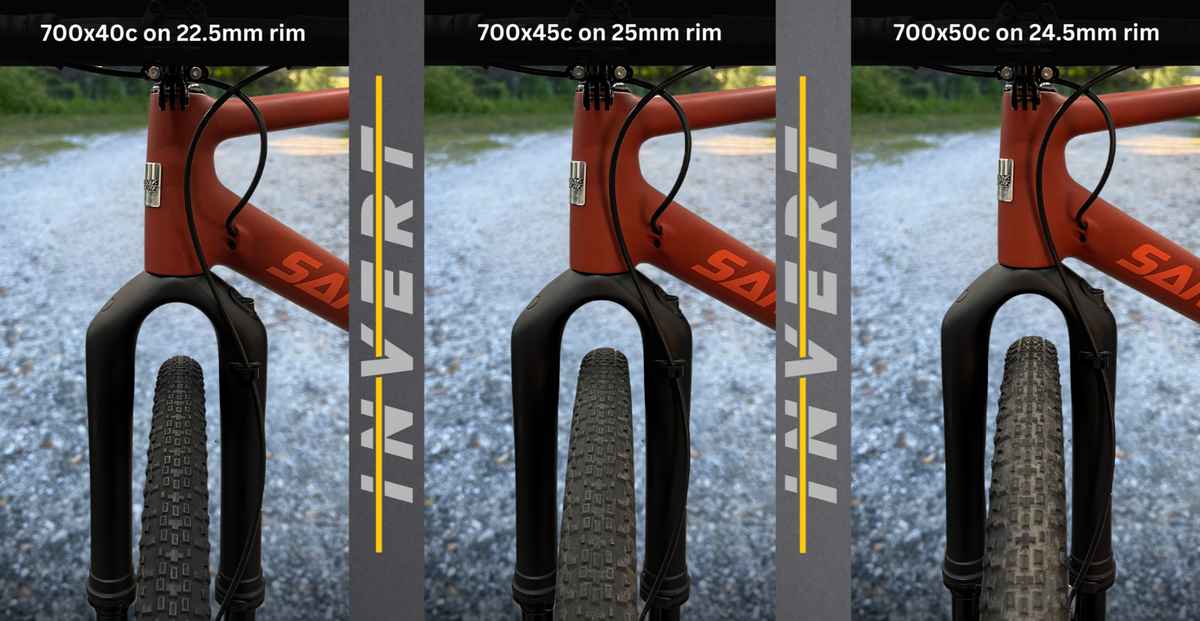
A gravel bike should clear at least 42mm tires to qualify as genuinely versatile. Some 2024-2025 models now offer clearance up to 50mm or even 63mm (2.5 inches), reflecting the discipline's evolution toward adventure riding and bikepacking. Recent fork designs have pushed boundaries even further, with some options now accommodating 29x2.5" tires—a development aimed at riders tackling extremely technical routes. For first-time buyers planning mixed-surface riding—linking paved roads with fire roads and singletrack—the 42-50mm range provides the most practical balance between speed and capability.
Tire width directly impacts ride quality on unpaved surfaces. Wider tires run at lower pressures (30-40 PSI versus 60-80 PSI for narrow road tires), which increases the contact patch with the ground and dramatically improves traction on loose gravel, while simultaneously absorbing vibration that would otherwise transfer through the frame to the rider's hands and body. Testing your intended terrain before committing to a bike helps determine appropriate clearance—smooth dirt roads tolerate 35-38mm tires, while chunky gravel and embedded rocks benefit from 42-45mm or wider.
Brake Systems
Hydraulic disc brakes should be considered mandatory equipment on a gravel bike, not an optional upgrade. The difference between cable-actuated and hydraulic systems becomes critical on descents and in wet conditions. Cable disc brakes, still found on some bikes priced in the $2,000-2,500 range, suffer from performance degradation as cables stretch and housing corrodes over time. Mountain bikers abandoned cable disc brakes more than a decade ago—entry-level mountain bikes at $900 now include hydraulic brakes as standard equipment, making their presence on expensive gravel bikes particularly frustrating.
Hydraulic systems use sealed fluid lines to transfer lever pressure directly to brake calipers, providing consistent stopping power with less hand effort. This matters enormously on drop-bar bikes, where brake levers offer less mechanical advantage than flat-bar mountain bike levers. Riders descending long gravel roads or navigating technical sections while riding on the hoods (not in the drops) need brakes that respond immediately without requiring a death grip on the levers.
The integration of hydraulic brake lines with shifters in modern drop-bar groupsets means upgrading from cable to hydraulic brakes requires replacing the entire shifter/brake lever assembly, a $400-600 expense that negates any initial savings from buying a cheaper bike. Investing in hydraulic brakes from the start eliminates this costly upgrade path.
Drivetrain Configuration
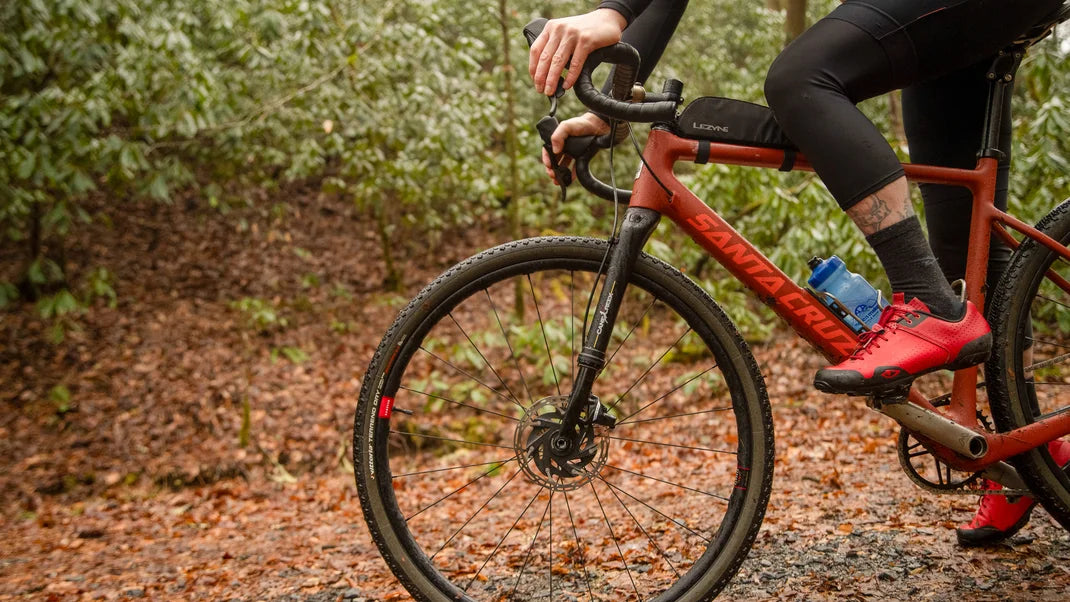
The choice between 1x (single chainring) and 2x (double chainring) drivetrains represents a fundamental decision about simplicity versus gear range. For riders new to drop-bar bikes or coming from flat-bar mountain bikes, 1x systems eliminate the cognitive load and mechanical complexity of operating a front derailleur. Modern 1x gravel groupsets pair a single front chainring (typically 38-42 teeth) with wide-range cassettes (11-42t or 10-50t), providing adequate gearing for most terrain without requiring coordination between two shifters.
Many gravel bikes under $3,000 still use 2x drivetrains despite mountain biking's complete abandonment of front derailleurs after 2012. Manufacturers justify this by pointing to closer gear spacing and slightly wider overall range with 2x systems. However, the practical reality for new riders involves frequent chain drops, difficulty finding the right gear combination, and the frustration of explaining "press firmly but not too hard, wait until your cranks reach the right position, then shift with your hand while keeping steady pedal pressure" to someone who just wants to ride.
Some manufacturers require riders to move into their higher-priced models (often $3,000+) to access 1x drivetrains, while their more affordable models retain 2x systems that create barriers for new riders. Recent developments in groupset technology show promise for bringing 1x hydraulic systems to lower price points, potentially reshaping the entry-level gravel market. First-time buyers should prioritize 1x drivetrains unless they have prior experience confidently operating front derailleurs or plan extensive road riding where close gear spacing matters.
Frame Material
Frame material affects ride quality, weight, and cost in predictable ways. Aluminum frames dominate the $1,500-2,500 entry-level category because they're light, durable, and affordable to manufacture. At this price point, an aluminum frame with carbon fork typically provides better overall performance than a full carbon frameset, which requires cost-cutting elsewhere in the component specification.
Carbon frames offer two primary advantages: weight reduction (typically 400-600 grams lighter than equivalent aluminum) and tunability for vibration damping through strategic fiber layup. However, carbon's benefits become meaningful primarily for riders logging 50+ mile days where cumulative vibration causes fatigue, or competitive riders where every gram matters. Well-designed aluminum bikes with decades of frame engineering behind them demonstrate that alloy frames deliver excellent ride quality when paired with carbon forks and appropriate tire selection.
Steel and titanium frames occupy niche categories. Steel provides durability and a reputation for compliance, but requires thin-wall tubing to achieve competitive weight, making frames susceptible to dents. Titanium offers the best strength-to-weight ratio and corrosion resistance but carries premium pricing ($3,000-5,000 for frames alone), making it impractical for first-time purchases. For riders spending $1,500-3,000 on a complete bike, aluminum frames with carbon forks represent the best compromise between performance, durability, and cost.
Geometry
Gravel bike geometry varies significantly depending on intended use, ranging from road-bike-like efficiency to mountain-bike-inspired capability. Head tube angle (the angle of the fork) and wheelbase (distance between front and rear axles) determine how a bike handles on loose surfaces. Steeper head angles (72-73 degrees) provide quick, responsive steering suited to fast gravel roads and racing, while slacker angles (68-70 degrees) increase stability on technical descents and rough terrain.
Some gravel bikes emphasize the racing-focused end of the spectrum with aero tube profiles, lower handlebar position, and increased reach for aggressive positioning. This geometry works well for riders prioritizing speed on maintained gravel roads and organized events. Conversely, bikes designed for bikepacking and adventure riding use longer wheelbases, slacker head angles, and shorter reach measurements that create more upright positioning and stable handling when loaded with gear.
For first-time buyers, geometry focused on comfort and stability proves more versatile than aggressive race geometry. An upright position (taller stack, shorter reach) reduces strain during long rides and improves visibility and control on unfamiliar terrain. Many gravel bikes split the difference between road efficiency and mountain bike handling with longer chainstays (425-435mm) that add stability and make room for heel clearance with large panniers. Testing bikes in person remains critical because geometry numbers alone don't capture how a bike feels—saddle height, handlebar width, and stem length all interact to determine fit.
Mounting Points and Versatility
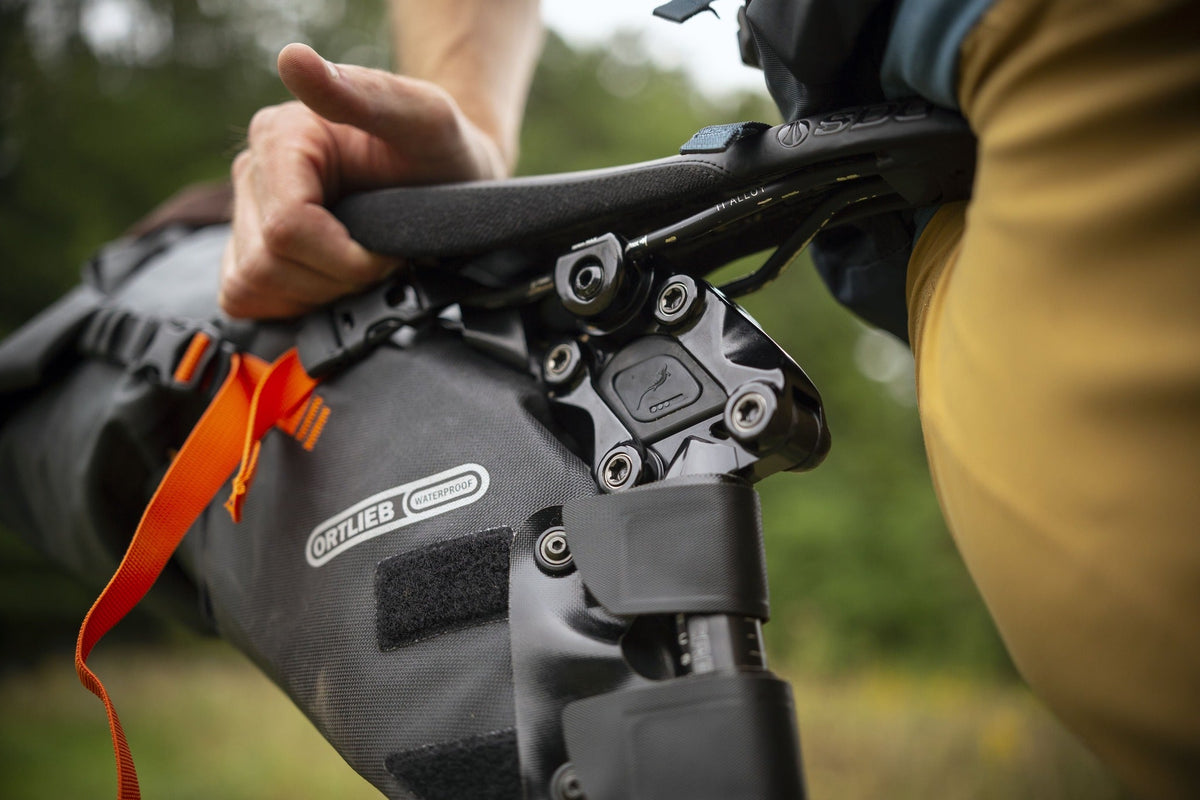
Mounting points transform a gravel bike from a single-purpose machine into a versatile tool for commuting, touring, and bikepacking. Quality gravel bikes include multiple bottle cage mounts (typically three positions), fender eyelets, and rack mounts. These features cost manufacturers almost nothing to include but enable riders to carry water, tools, spare clothing, and camping gear without compromising bike handling.
The best entry-level bikes come equipped with fender mounts and rack compatibility, recognizing that new riders often use gravel bikes for commuting and mixed-purpose riding before specializing in any particular discipline. Internal frame storage, featured on some higher-end models, provides additional carrying capacity while maintaining aerodynamics, though this feature typically appears only on bikes above $3,500.
Three-pack accessory mounts on fork legs have become increasingly common in 2024-2025, allowing riders to attach cargo cages for extra gear or water bottles. Modern fork designs may include these mounts alongside features like internal dynamo routing, reflecting the growing overlap between gravel racing and self-supported adventure riding. First-time buyers should verify mounting options before purchasing—adding bottle cages or fenders later is simple, but drilling carbon frames to add mounts isn't realistic.
Component Specifications
Beyond the frame and major systems, several component choices significantly impact the riding experience. Wheelsets on entry-level bikes typically use aluminum rims with relatively heavy hubs and spokes, adding 400-600 grams compared to mid-range options. While upgrading wheels delivers noticeable performance improvements, factory wheelsets on bikes from established manufacturers prove adequately durable for the first 2,000-3,000 miles.
Tubeless-ready wheels and tires should be considered essential rather than optional. Tubeless setups eliminate inner tubes, allowing riders to run lower tire pressures without pinch-flat risk, which dramatically improves traction and comfort on rough gravel. Most gravel bikes now ship tubeless-ready, but converting requires sealant, tubeless valves, and rim tape—budget an additional $50-75 and one hour for initial setup. The performance gain justifies this modest investment immediately.
Cockpit components (handlebars, stem, seatpost) on aluminum frames typically match in material. Carbon seatposts add compliance that softens trail chatter, particularly beneficial on aluminum frames, and appear on bikes above $2,000. Dropper seatposts, common on mountain bikes but rare on gravel bikes under $4,000, allow riders to lower saddle height for technical descents—a feature worth considering for riders planning aggressive trail riding. Size-specific components (stem length, handlebar width, crank arm length) matter enormously for fit, with better manufacturers adjusting these across their size range rather than using identical parts on XS through XL frames.

Budget Considerations
Gravel bike pricing breaks into distinct tiers with predictable tradeoffs. Entry-level bikes ($1,500-2,000) typically feature aluminum frames, mechanical groupsets (often mixing brands to hit price points), and basic wheelsets. These bikes work well for riders exploring the discipline but may require component upgrades within 1-2 years as skills progress.
Mid-range bikes ($2,000-3,500) represent the best value for serious riders, offering complete groupsets, hydraulic disc brakes, and either quality aluminum or entry-level carbon frames. Bikes in the $2,000-2,500 range often exemplify this category with stable geometry, reliable drivetrain components, and proven frame engineering. Spending more than $2,500 on a first gravel bike only makes sense for riders with specific competitive goals or extensive prior cycling experience that makes component nuances meaningful.
High-end bikes ($3,500-12,000+) use carbon frames, lightweight wheelsets, electronic shifting, and premium finishing components. Top-tier race bikes can reach $12,000 or more, demonstrating how far gravel pricing extends. These bikes deliver marginal performance gains that matter in racing but provide minimal benefit for recreational riders—the difference between 16.5-pound and 19-pound bikes disappears on hour-long rides over varied terrain. First-time buyers should resist the temptation to overspend, as preferences for geometry, tire width, and cockpit setup only become clear after months of riding different surfaces.
Sizing and Fit
Proper fit determines comfort and performance more than any component specification, yet bike sizing remains frustratingly inconsistent across manufacturers. A 5'6" rider (average height for women in North America) might find themselves between sizes on one brand's sizing chart while fitting comfortably into a specific size on another. This discrepancy stems from different fit philosophies—some brands emphasize compact frames with longer stems, others use longer reach measurements with shorter stems.
Reach (horizontal distance from bottom bracket to top of head tube) and stack (vertical distance from bottom bracket to top of head tube) provide more accurate sizing guidance than traditional frame size numbers, but require understanding how saddle position and stem length affect overall fit. Some gravel bike lines span only 20-25mm of reach across seven frame sizes, theoretically accommodating riders from 5'1" to 6'3"—this range gets filled through stem and handlebar width changes rather than fundamental frame proportion differences.
Professional bike fitting costs $150-300 but prevents expensive mistakes. Many shops offer basic fit assessments free with bike purchases, adjusting saddle height, fore-aft position, and stem length to achieve appropriate positioning. Riders between sizes should generally size down for gravel bikes, as longer stems and higher spacer stacks can compensate for slightly short reach, while overly long frames create handling issues that can't be fixed through cockpit changes. Test riding multiple sizes of the same model reveals which dimensions work best—focus on comfort reaching the brake hoods (where hands spend 80% of riding time) rather than aggressive positioning in the drops.
What Matters Less Than Marketing Suggests
Several heavily marketed features provide minimal practical benefit for first-time gravel riders. Frame weight differences of 400-600 grams between aluminum and carbon become imperceptible on rides under three hours, particularly when total system weight (rider, bike, water, gear) ranges from 160-220 pounds. Aerodynamic tube shaping, borrowed from road racing bikes, offers measurable advantages only above 20 mph on smooth surfaces—speeds most gravel riders rarely sustain for extended periods.
Electronic shifting costs $1,000-1,500 more than mechanical equivalents while providing push-button convenience that doesn't meaningfully improve performance for recreational riders. The technology works flawlessly but requires battery charging and software updates that add complexity without solving problems most riders experience. Similarly, integrated cable routing creates clean aesthetics but makes maintenance more difficult and time-consuming without improving function.
Proprietary features like unique handlebar designs or brand-specific storage systems create vendor lock-in that limits future upgrade options. Some manufacturers have moved away from proprietary designs toward conventional components, acknowledging that riders value compatibility with standard parts over unique features. First-time buyers should prioritize bikes using industry-standard parts (31.8mm handlebar clamps, round seatposts, threaded bottom brackets) that accept readily available replacement components.
Making the Decision
Successful first gravel bike purchases start with honest assessment of intended use rather than aspirational goals. Riders planning primarily road riding with occasional gravel sections need different bikes than those targeting backwoods singletrack and bikepacking adventures. The discipline's versatility creates decision paralysis, but focusing on the three core features—tire clearance (42mm minimum), hydraulic disc brakes, and drivetrain simplicity (1x preferred)—eliminates bikes that will require immediate upgrades or cause frustration.
Buying from local shops provides test ride opportunities and professional fit advice worth paying modest premiums over online pricing. Demo days allow back-to-back comparison of multiple brands and models, revealing which geometry and component specifications feel right versus looking good on spec sheets. Used bikes from reputable sellers offer 30-40% savings, though buyers should carefully inspect frames for crash damage (particularly carbon) and verify that component wear (chains, cassettes, brake pads) doesn't require $400+ immediate replacement.
The ideal first gravel bike balances current needs with room for skill development. A well-chosen $2,000-2,500 bike with quality aluminum frame, hydraulic groupset, and appropriate geometry should provide 5,000-7,000 miles of reliable riding before requiring major component replacement. This experience clarifies preferences for future purchases—whether racing, adventure riding, or mixed-use commuting becomes the primary focus only emerges after months of riding different terrain and conditions. Starting with versatile, reliable equipment ensures the learning process happens through riding rather than wrestling with inadequate brakes, confusing drivetrains, or poor fit.