Published: February 2026
Gravel riding demands versatility from both rider and machine. Whether you're tackling chunky fire roads, smooth gravel paths, or mixed terrain adventures, the right upgrades can transform your bike from good to exceptional. Here's your guide to the gravel component upgrades that deliver the biggest impact for your investment.
Start With Contact Points: Where Comfort Meets Performance
Handlebars
Your handlebars are more than just a steering mechanism—they're your primary interface with the bike. Upgrading to a quality carbon fiber handlebar can reduce vibration significantly while offering multiple hand positions crucial for long gravel rides. Look for bars with a shallow drop and comfortable reach that accommodate bar tape, lights, and accessories.
The flare angle matters too. A 12-16 degree flare provides better control on technical descents while maintaining aerodynamics on smoother sections. This upgrade alone can reduce fatigue and increase confidence on challenging terrain.
Bar Tape
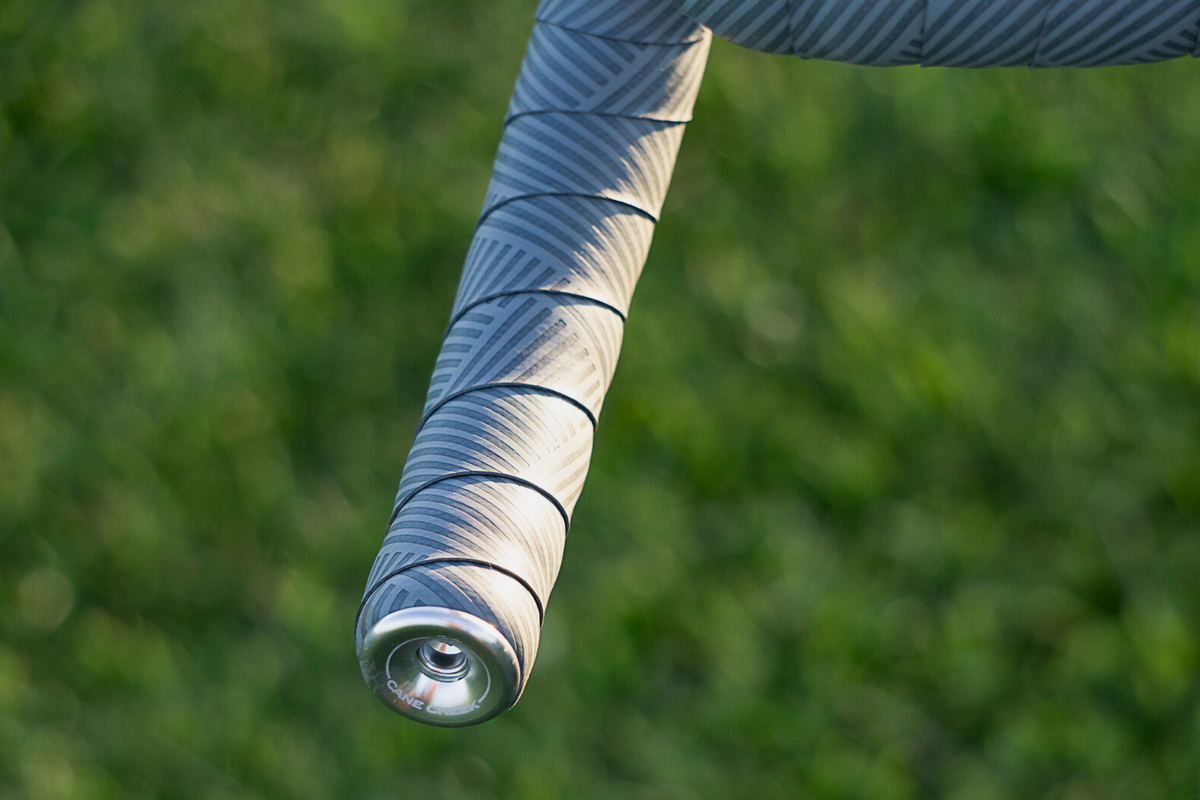
Quality bar tape might seem like a minor detail, but it's one of the most cost-effective gravel bike upgrades available. Premium handlebar tape with proper cushioning and grip can transform your connection to the bike, reducing hand fatigue and providing better control over long distances. Look for tape that balances comfort with durability - gravel riding demands both.
The best bar tape performs consistently in wet conditions and provides reliable grip when your hands are sweaty or muddy. Consider tape that performs well in wet conditions—gravel adventures don't always come with perfect weather forecasts.
Cane Creek’s handlebar tape comes in two varieties, Flanders and Liège. Flanders has a classic and soft suede feel while Liège is PU-coated with a crosshatch texture for added grip (especially when wet). Either way, you’ll make your bars feel brand new and bring a sense of comfort and control to your cockpit.
Saddle
A properly fitted saddle transforms long rides from endurance tests into enjoyable adventures. Modern gravel saddles balance comfort with performance, often featuring pressure-relief channels and flexible shells that adapt to your movement. The key is finding the right width and shape for your anatomy rather than simply choosing the lightest or best-looking option.
Professional saddle fitting can be invaluable here. Many riders discover that their "comfortable" saddle was actually contributing to discomfort and reduced power transfer.
Drivetrain Upgrades: Expanding Your Range
Crankset
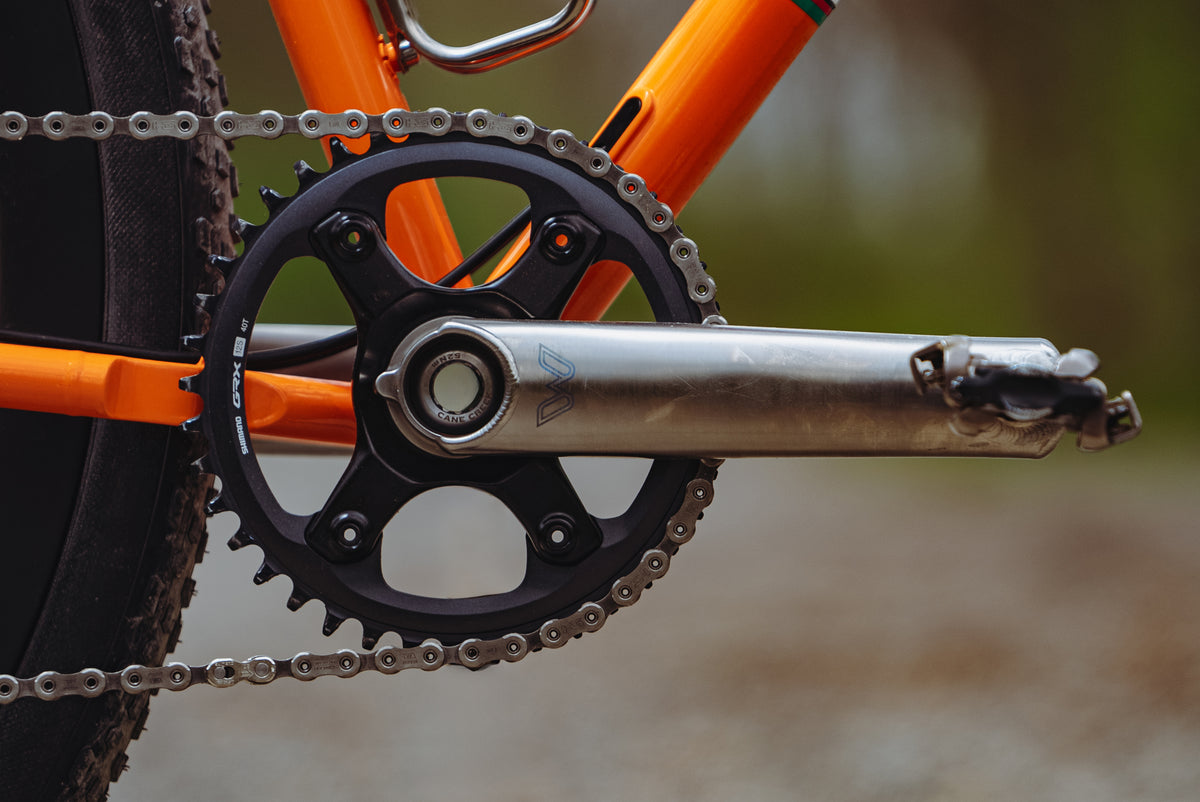
Upgrading your crankset delivers multiple benefits: improved stiffness for better power transfer, reduced weight, and often better chainline optimization. Modern gravel cranksets are designed with wider chainlines to accommodate the larger chainrings and wider tire clearances that define gravel bikes.
For the ultimate in performance and durability, titanium cranks like eeWings are designed with durability and weight savings in mind as well as stiffness. The latest eeWings titanium cranks feature 8-bolt chainring and power meter compatibility, an ultra-friendly 8mm fixing bolt, and more ground clearance—perfect for gravel riders who demand the best from their drivetrain. No other crankset on the market is lighter, stiffer, and more durable.
Consider a crankset that accepts different chainring configurations. This flexibility allows you to adapt your gearing for different types of rides without replacing the entire component. The investment in premium titanium cranks pays dividends in longevity, performance, and the confidence that comes from riding components that can handle whatever terrain you encounter.
Cassette and Chain
A quality cassette with appropriate gear ratios can make or break your gravel experience. Wide-range cassettes (like 10-42T or 10-44T) provide the low gears needed for steep climbs while maintaining reasonable gaps between gears for efficient pedaling on varied terrain.
Pair your new cassette with a high-quality chain designed for your drivetrain's speed. Modern chains feature improved durability and shifting performance, especially important when dealing with the dust and debris common to gravel riding.
Wheels and Tires: Where the Rubber Meets the Gravel
Wheelsets
Wheels represent one of the most significant gravel bike upgrades you can make. A quality wheelset affects everything: rolling resistance, handling, comfort, and durability. Look for wheels designed specifically for gravel use, with appropriate rim widths for your preferred tire sizes and construction that balances weight with durability.
Carbon wheels offer excellent vibration damping and stiffness, while high-quality aluminum options provide durability and value. Consider your riding style and terrain preferences when making this choice.
Tires
Tires might be the single most impactful upgrade for gravel performance. The right tires can transform how your bike handles different surfaces, from hardpack to loose gravel to muddy conditions. Width, tread pattern, and construction all play crucial roles in performance.
Tubeless-ready tires offer additional benefits: reduced rolling resistance, better puncture protection, and the ability to run lower pressures for improved comfort and traction. Confidence in your tires will transform your ride and many riders consider this to be the #1 upgrade across the board.
Cockpit Components: Control and Comfort
Stem
A proper stem length and angle can significantly impact comfort and bike handling. 70-90mm stem lengths are popular for gravel bikes as they provide quicker handling and better weight distribution on technical terrain. Adjustable stems offer flexibility to fine-tune your position without committing to specific measurements.
The right stem length also affects how your bike feels loaded with gear—an important consideration for bikepacking adventures.
Consider a suspension stem if you’re using a rigid fork. The eeSilk+ from Cane Creek provides subtle suspension travel over gravel terrain that helps soften your ride and reduces fatigue. If you prefer a rigid stem, take a look at the GXC Stem.
Headset
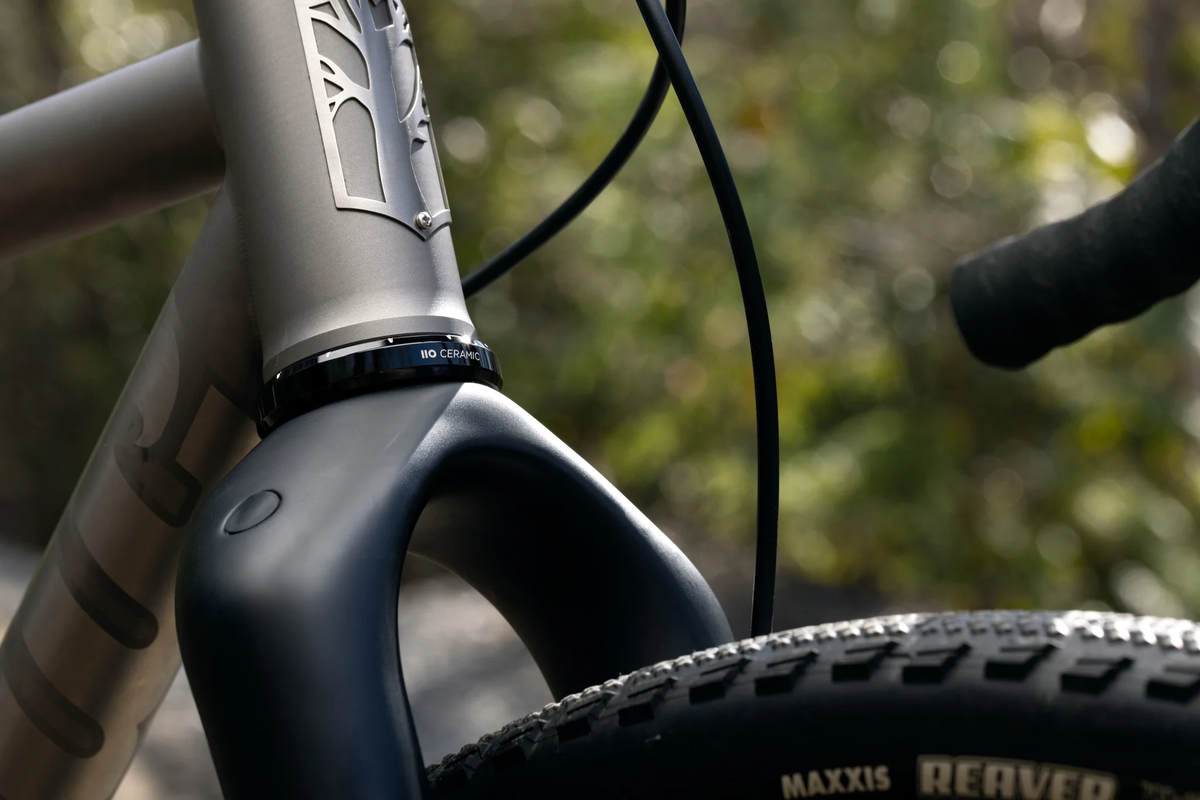
A quality headset ensures smooth steering and long-term durability. Cane Creek headsets are voted the #1 headset to buy and are engineered for the demands of gravel riding. All Cane Creek headset bearings are durable, sealed cartridge bearings, and they're interchangeable between headset series, making maintenance and upgrades straightforward.
Sealed bearing headsets resist contamination from dirt and moisture common in gravel riding. While not a stand-out feature of your bike, a well-functioning headset contributes to overall bike performance and longevity, especially when riding in challenging conditions where reliability matters most.
Brake System Enhancements
Brake Rotors
Larger brake rotors provide increased stopping power and better heat dissipation, crucial for long descents with loaded bikes. Consider rotors designed for gravel use, which balance weight with performance and often feature designs that shed mud and debris effectively.
Brake Pads
High-quality brake pads designed for your specific conditions make a substantial difference in braking consistency and rotor longevity. Metallic pads generally offer better performance in wet conditions, while resin pads provide quieter operation and less rotor wear.
Fork Upgrades: Front-End Finesse
Suspension Forks
For gravel riders seeking the ultimate in comfort and control, a suspension fork represents a significant upgrade that can transform your riding experience. The Cane Creek Invert is engineered specifically for gravel riding rather than adapted from mountain bike technology like many other forks in this segment.
The Invert is an upside-down suspension gravel fork that's been built specifically for gravel, offering 30mm or 40mm of travel depending on the model. The inverted design provides several advantages: a sleeker-looking and lighter package than competing options, while the progressive air spring delivers consistent performance across varied terrain.
Available in both CS (Climb Switch) and SL (Super Light) versions, the Invert allows you to tackle rough gravel with confidence while maintaining the efficiency that makes gravel bikes so appealing. The CS model includes a climb switch for maximum efficiency on smooth sections, while the SL version focuses on minimal weight for riders prioritizing every gram.
This upgrade is particularly valuable for big gravel days or bikepacking adventures, allowing you to ride longer and farther with less fatigue. Unlike handlebar-based suspension solutions, a suspension fork provides consistent comfort regardless of hand position on the bars.

More Suspension Upgrades: Taming Rough Terrain
Suspension Seatposts
A suspension seatpost can significantly improve comfort on rough gravel without the weight and complexity of frame suspension. The eeSilk+ Seatpost is a premium, lightweight suspension seatpost that reduces fatigue and improves rider comfort on gravel, road, or bikepacking bicycles. This upgrade particularly benefits riders who spend long hours on rough surfaces.
Modern suspension seatposts like the eeSilk+ allow you to ride longer and more comfortably while maintaining the efficiency and simplicity that make gravel bikes so appealing. The investment in quality suspension technology pays dividends in reduced fatigue and increased enjoyment on challenging terrain.
Suspension Stems
The eeSilk Suspension Stem represents the cutting edge of comfort technology for gravel and road cycling. This premium, lightweight suspension stem reduces fatigue and improves rider comfort by isolating your hands and arms from trail vibration. The eeSilk stem features up to 20mm of tunable compliance via a single bolt external elastomer change and a compliance switch to choose between soft and firm modes.
This technology works particularly well for riders with wrist or elbow issues or those tackling especially rough terrain regularly. The ability to tune the compliance means you can adapt the stem's behavior to different ride conditions, from smooth gravel paths to chunky technical sections.
Making Smart Upgrade Choices
Prioritizing Your Investments
Not all gravel component upgrades offer equal returns. Start with contact points—handlebars, saddle, and bar tape—as these directly impact comfort and control. Next, consider wheels and tires, which dramatically affect how your bike rides and handles.
Drivetrain upgrades should focus on reliability and appropriate gearing for your terrain. A perfectly functioning 10-speed system often outperforms a problematic 12-speed setup.
Budget Considerations
The best gravel bike upgrades don't always require the highest budgets. Quality bar tape, proper tire pressure, and professional fit adjustments can transform your riding experience for minimal cost. Save larger investments for components that see the most wear or provide the greatest performance benefits.
Installation and Maintenance
Some upgrades are straightforward DIY projects, while others benefit from professional installation. Complex drivetrain work, brake bleeding, and suspension setup often justify the cost of professional service. Factor installation costs into your upgrade budget planning.
Beyond Components: The Complete Picture
Professional Bike Fit
The most expensive upgrades won't improve your experience if your bike doesn't fit properly. Professional bike fitting ensures that component upgrades work synergistically with your body mechanics and riding style.
Maintenance and Care
Upgraded components often require specific maintenance procedures or intervals. Understanding these requirements helps maximize the lifespan and performance of your investments. Quality components maintained properly often outperform premium parts that are neglected.
Planning Your Upgrade Path
Systematic Approach
Rather than random upgrades, develop a plan based on your riding priorities and current bike limitations. Address the most significant issues first, whether that's comfort, performance, or reliability.
Future Compatibility
Consider how current upgrades will work with future changes. Choosing components that work well together and offer upgrade paths prevents costly incompatibilities down the road.
Seasonal Timing
Plan upgrades around your riding season. Off-season work allows time for proper installation, fitting, and testing before your peak riding months. It also often provides better availability and pricing on components.
Conclusion
The best gravel bike upgrades enhance your riding experience while matching your specific needs and terrain. Start with contact points for immediate comfort improvements, then move to wheels and drivetrain for performance gains. Remember that proper installation, fitting, and maintenance are as important as the components themselves.
Quality upgrades should make you want to ride more, not just ride differently. Choose components that expand your capabilities and increase your confidence on varied terrain. With thoughtful upgrade choices, your gravel bike becomes not just a machine for adventure, but a trusted partner for whatever the trail ahead might bring.
Whether you're preparing for your first gravel century or planning a multi-day bikepacking adventure, the right upgrades ensure your bike is ready for the challenge. Invest wisely, maintain properly, and let your upgraded machine carry you to new adventures on the endless roads less traveled.