Published: February 2026
Nothing ruins a perfect ride quite like the dreaded onset of arm pump or hand fatigue. That burning sensation in your forearms, the numbness creeping into your fingers, and the weakening grip that makes every trail feature feel more dangerous than it should. Whether you're grinding through a long cross-country epic or bombing down technical descents, understanding how to prevent and manage these issues can transform your riding experience.
What's Actually Happening When You Get Arm Pump
Arm pump occurs when your forearm muscles swell during intense riding, restricting blood flow and starving your muscles of oxygen. The medical term is Chronic Exertional Compartment Syndrome (CECS).
Here's what happens: your forearm muscles are wrapped in fascia, a tough connective tissue that doesn't stretch much. When you're gripping hard during descents or rough terrain, these muscles swell but have nowhere to expand, creating pressure that restricts blood vessels.
The result? Pain, tightness, cramping, and eventually that feeling where you can barely hold on to your bars. Hand fatigue adds nerve compression to the mix, especially affecting the ulnar nerve (causing numbness in your ring and pinky fingers) and the median nerve (carpal tunnel syndrome affecting your thumb and other fingers).
Start Here: Dial In Your Bike Setup
Brake Lever Position Is Critical
Your brake levers should be positioned so you can reach them comfortably with one finger while your wrists stay straight.
Lever angle: For steep, technical riding, run your levers fairly flat (almost horizontal). Stand in your attack position and adjust them so the back of your hand forms a straight line with your forearm. This keeps your wrists neutral and reduces muscle fatigue.
Lever reach: Set your reach adjustment so your index finger can easily grab the lever without stretching. If you're having to work hard to reach your brakes, you're wasting precious grip strength.
Handlebar Height and Width
Raising your bars slightly reduces the weight on your hands and allows for a more natural wrist angle. Try adding 5-10mm of spacers if you're currently slammed.
Bar width matters more than most riders realize. Bars that are too narrow make the bike feel unstable and require constant micro-adjustments, accelerating fatigue. Most riders benefit from bars in the 750-800mm range, though this varies with your size and riding style.
Bar roll (the angle your bars are rotated) affects wrist comfort significantly. Small adjustments of even 2-3 degrees can make a big difference, so experiment with rolling your bars slightly forward.
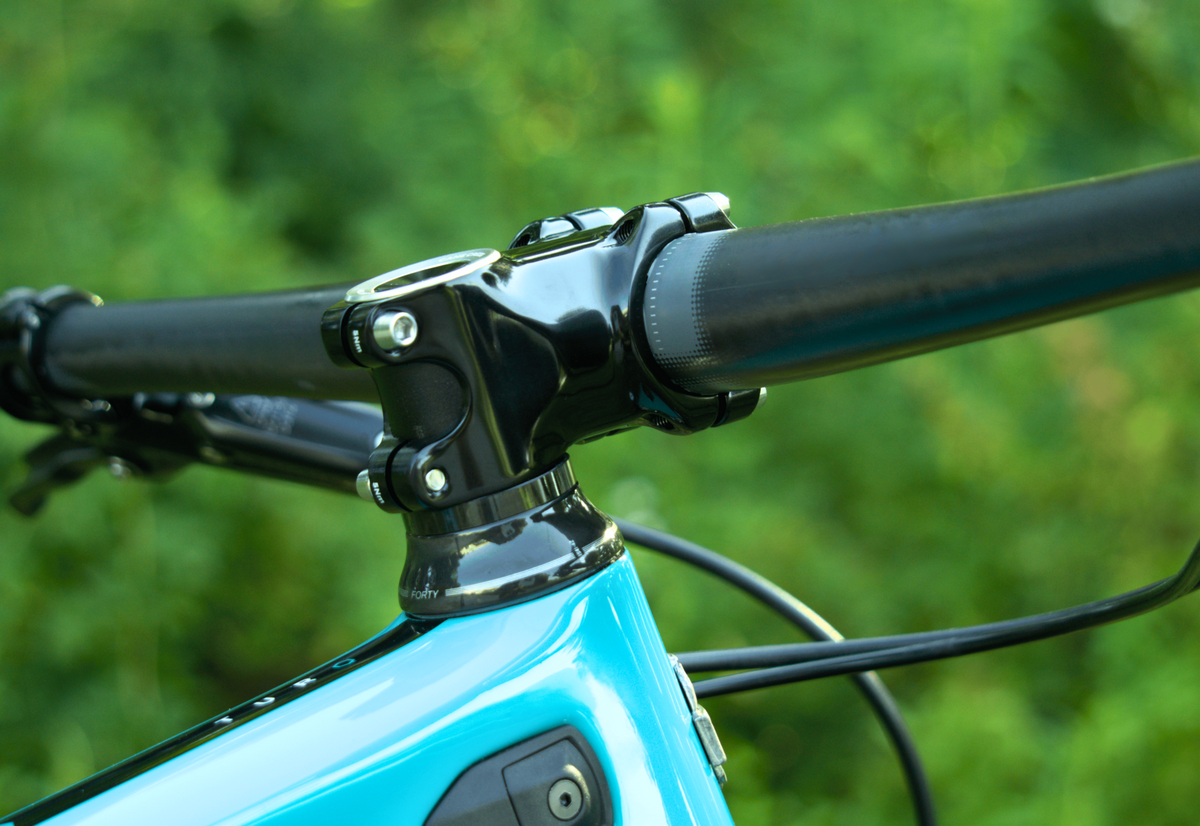
Don't Ignore Your Stem Length
An overly long stem forces you forward, putting excessive weight on your hands. Most modern trail and enduro bikes work well with stems in the 35-50mm range. If you're dealing with persistent hand pain, consider going shorter.
Grips: Your Contact Point Matters
Find the Right Diameter for Your Hands
Grip diameter directly impacts how hard you have to squeeze to maintain control. Grips that are too thin require more grip force; grips that are too thick can cause hand cramping.
Switching from just 30mm to 33mm diameter grips can make a noticeable difference in maintaining grip strength throughout the day. The key is finding what works for your hand size.
Consider Ergonomic Shapes
Grips with flattened or ergonomic profiles that match your hand's natural shape reduce pressure points. Perfectly round grips can lead to cramping because your hand has to work harder to maintain grip.
Look for lock-on grips rather than slip-ons. They won't rotate during rides, which prevents you from unconsciously gripping harder to compensate.
Suspension Setup: Make Your Bike Work for You
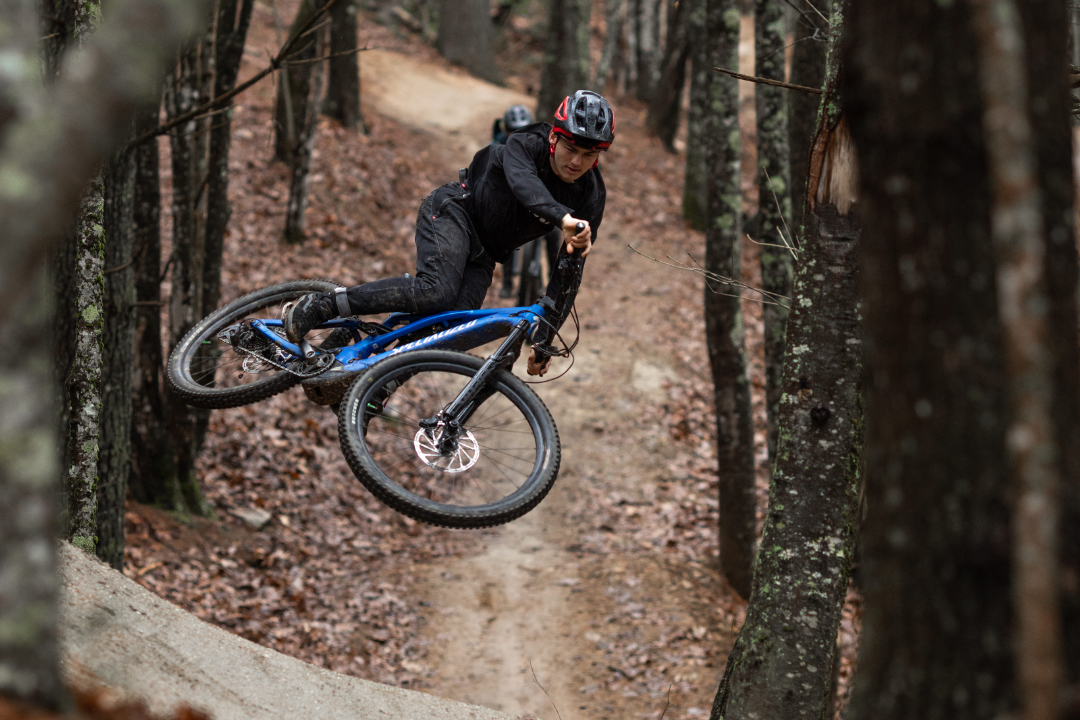
Proper suspension setup is one of the most effective ways to reduce arm pump. Your bike should be absorbing impacts, not your arms.
Fork Settings That Help
Sag: Start with manufacturer recommendations (typically 15-25% for trail riding). Slightly more sag can help your fork absorb small bumps better, reducing vibrations transmitted to your hands.
Low-speed compression: This is the most important adjustment for reducing arm pump. Slightly softer low-speed compression helps your fork work better on the small, high-frequency bumps that fatigue your hands.
Rebound: Too-fast rebound makes your bike feel harsh. Your fork should return from compression smoothly without feeling like it's bucking you around.
Service Your Suspension Regularly
Friction is the enemy of smooth suspension action. Regular lower leg service (every 50 hours or as recommended) keeps everything moving freely, which means fewer vibrations reaching your hands.
Additional Damping Solutions
Consider components designed to reduce vibration transmission. The Cane Creek eeSilk Suspension Stem uses elastomers to provide 20mm of suspension movement, reducing fatigue by absorbing vibrations before they reach your body. Reducing fatigue means your grip lasts longer.
Quality headset bearings also make a difference in overall bike smoothness. Cane Creek's sealed cartridge bearings in their Forty, Fifty, Hellbender 70, and 110 Series headsets provide smooth steering and reduce the small vibrations that accumulate during long rides.
Tire Pressure: The Free Fix
Lower tire pressure is one of the easiest ways to reduce vibration. Drop your pressure as low as you can without risking pinch flats or rim damage.
Going tubeless allows you to run lower pressures safely, providing better traction and significantly reducing trail chatter. As wide as your frame allows, go wider on tires too – they provide more cushioning at lower pressures.
Riding Technique: What Actually Works
The Core Connection You're Missing
Here's what most riders don't realize: arm pump often starts in your core, not your forearms. When your core isn't strong enough to control your body position, you compensate by pulling on the bars.
Pro rider Isabeau Courdurier confirms this: "I work with a physio for my shoulders more than my wrists. I feel like they play a huge role in being able to handle your bar on long race days". She focuses on push-ups (including proprioceptive variations), elastics, and weights.
Think of it like trying to play tug-of-war on a slippery floor versus carpet. Without a stable base (your core), your hands have to work overtime.
Light Hands, Heavy Feet
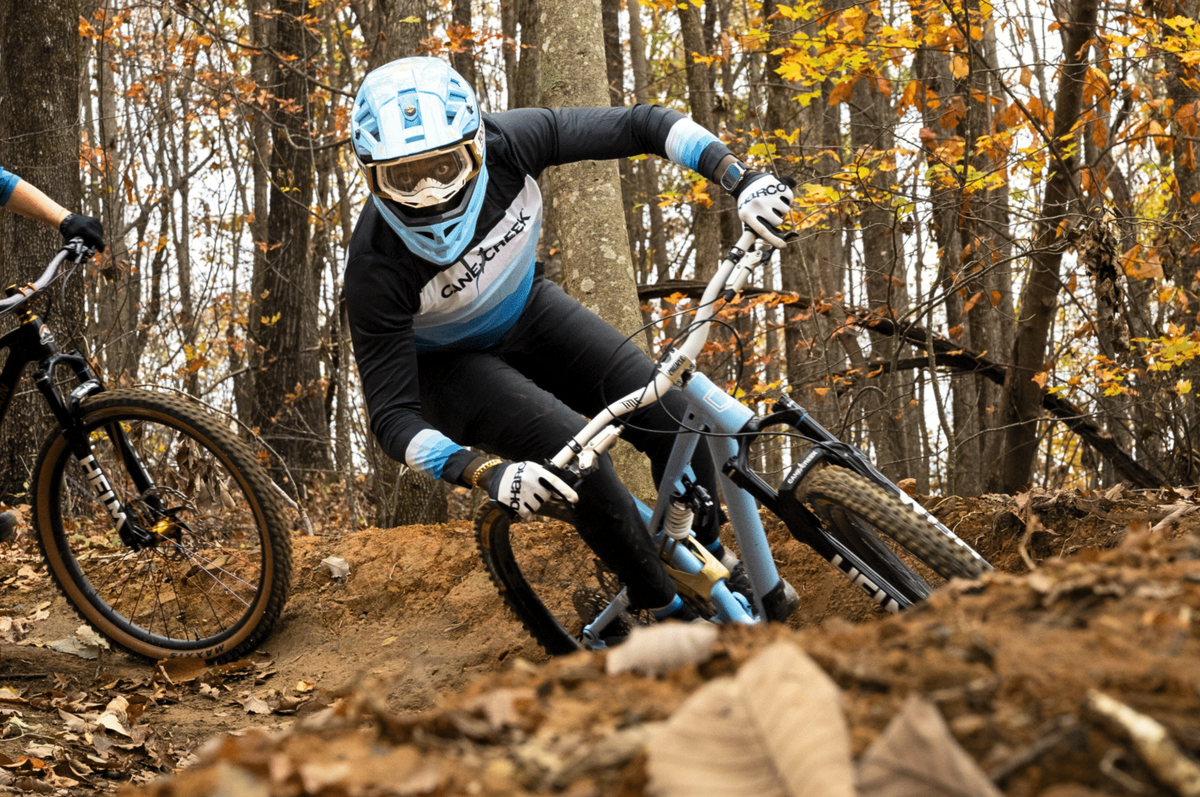
This is the most important technique cue for reducing arm pump. Drive your weight down through your feet, especially your heels.
When you drop your heels and engage your legs, you take unnecessary pressure off your hands. Practice this on every descent until it becomes automatic.
Brake With Purpose, Not Panic
Dragging your brakes creates constant tension in your forearms. Instead, brake deliberately when needed, then release.
Look further ahead down the trail. When you can see what's coming, you plan your braking points better and avoid panic braking that destroys your grip strength.
Relax Your Grip Consciously
On smooth sections, deliberately loosen your grip and shake out your hands one at a time. Your grip should be firm enough for control but loose enough that you could wiggle your fingers.
Periodically take your fingers completely off the brake levers when you don't need them. This allows those muscles to fully relax.
Build Resilience: Training That Actually Helps
Strength Training Beyond Your Forearms
Upper body strength, especially in your back, shoulders, and core, is more important than grip strength alone. Cross-training with activities like rock climbing or bouldering builds functional strength while improving grip endurance.
For targeted forearm training, focus on endurance rather than maximum strength. Isometric holds at moderate intensity (30-60 seconds) are more useful than crushing grip exercises.
Don't forget to train the muscles that open your hands. Rubber band extensions and similar exercises balance your forearm development.
Flexibility and Mobility Matter
Tight shoulders, chest, and forearms contribute to poor positioning and increased fatigue. Incorporate regular wrist flexor and extensor stretches into your routine.
Neck flexibility is often overlooked. Limited neck mobility, especially in the upper part where you nod your head, can contribute to grip issues. An overly tight and immobile upper back (common from hunching over computers) can have similar effects.
Gradual Progression Prevents Problems
If you're attempting rides of duration or intensity you're not used to, you'll likely suffer. Give your body time to adapt by gradually building intensity rather than jumping into a week-long bike park trip when you're only used to short local rides.
"If you're used to a five-hour week and suddenly go up to a 20-hour week, that is a risk factor," explains physio Bianca Broadbent. The tissue load far surpasses what it can handle, leading to nerve irritation and other issues.
Managing Symptoms During Rides
When You Feel It Starting
Take action immediately rather than waiting for arm pump to become debilitating. On less technical sections, deliberately loosen your grip and shake out your hands.
Vary your hand position on the bars when possible. Even small changes provide relief to different muscle groups.
Focus on your breathing. Proper breathing helps deliver oxygen to fatigued muscles.
Post-Ride Recovery
Stretch your forearms, wrists, and shoulders after rides. Self-massage of the forearms can improve circulation and reduce muscle tension.
For immediate symptoms, ice your forearms and consider over-the-counter anti-inflammatory medication if appropriate for you. These help reduce the inflammation causing pain.
When to Get Professional Help
Professional Bike Fitting
A professional bike fit can identify issues that aren't obvious to you. A good fitter will assess your flexibility, riding style, and bike geometry to optimize your position.
This is particularly valuable if you've tried various adjustments without success.
Medical Consultation Is Important
Persistent numbness, tingling, or pain that doesn't resolve with rest and equipment changes requires medical attention. These could indicate nerve compression or other issues needing professional treatment.
Undiagnosed wrist fractures from crashes can lead to degenerative issues if not properly treated. If you've crashed recently and feel persistent pain around the base of your thumb and fingers, get a CT scan.
Past ligament damage may require specific wrist strengthening exercises prescribed by a professional.
The Bottom Line
Arm pump and hand fatigue are common issues, but they're rarely caused by just one factor. The riders who solve these problems take a comprehensive approach: proper bike setup, good technique, adequate physical preparation, and gradual progression.
Start with the fundamentals – bike fit and component positioning. These solve the majority of issues for most riders. From there, refine your technique and build supporting strength.