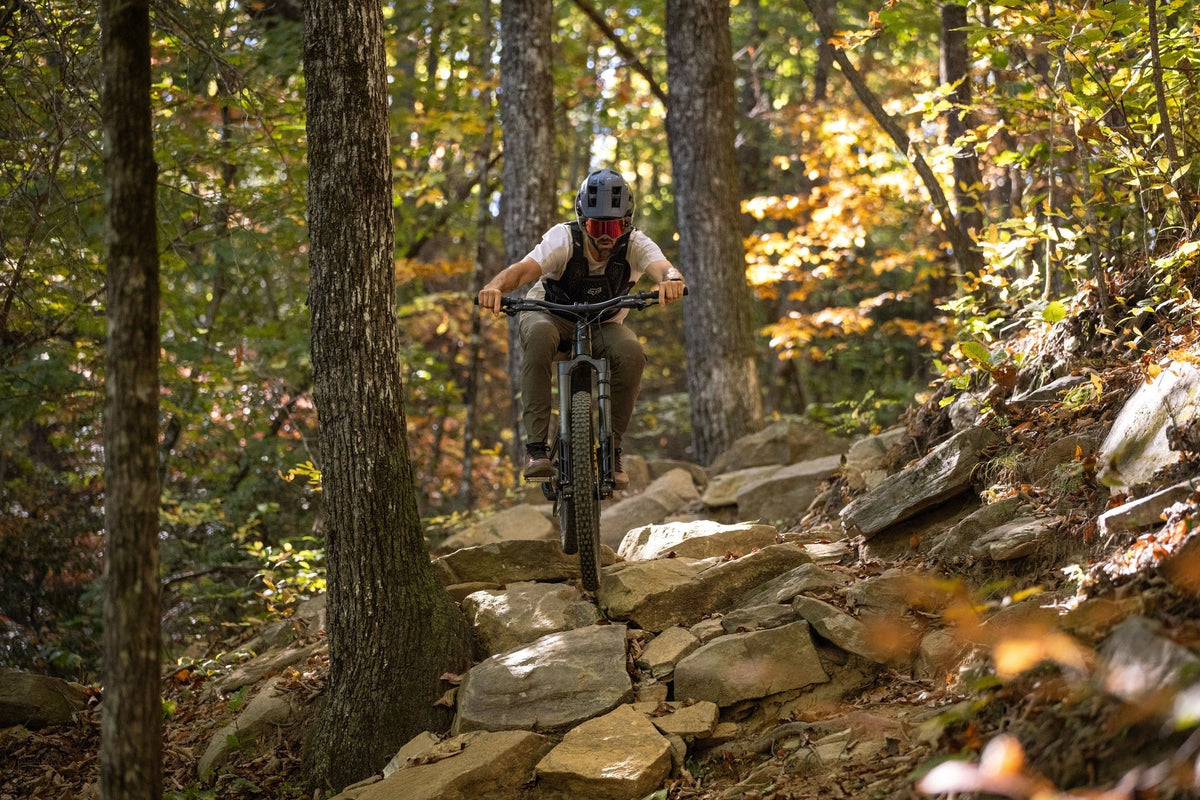

Fork vs Shock: Which Suspension Upgrade Has the Biggest Impact
Published: August 2026
When your mountain bike's suspension starts feeling sluggish, harsh, or simply outdated, the upgrade itch becomes impossible to ignore. But with limited budgets and an overwhelming array of options, most riders face a crucial decision: should you upgrade your fork or shock first?
The answer isn't always straightforward, but understanding how each component affects your ride can help you make the choice that delivers maximum impact for your investment. Whether you're looking to smooth out rough trails, improve climbing efficiency, or simply modernize an aging bike, this guide will help you determine which suspension upgrade will transform your riding experience.
The Case for Upgrading Your Fork First
Immediate Impact on Ride Quality
Your fork is the first suspension component to handle the impacts coming at you and has a lot to do with the overall confidence of the front end of your bike. On rough trails, the quality of your fork can have a lot to do with hand and arm fatigue. If you ride in especially steep terrain, you'll naturally wind up with much more weight on the fork, which can highlight inadequacies in your stock setup. A quality fork upgrade transforms how your bike handles everything from small chatter to major impacts. Modern forks offer superior damping control, allowing you to maintain speed over rough terrain while reducing rider fatigue.
Steering Precision and Confidence
Your fork directly influences steering precision and front-wheel traction. Upgrading to a fork with more precisely-sized bushings, stiffer chassis construction, and more robust damping translates to more precise handling and increased confidence on technical terrain. This improvement becomes especially apparent in corners and during braking, where a quality fork maintains better wheel tracking. Inverted forks are especially good at staying active under braking and reduce a lot of chances for the front wheel to slide if you find yourself entering a loose corner with a bit more speed than you initially anticipated.
When Fork-First Makes Sense
Prioritize a fork upgrade if your current front suspension feels harsh over small bumps, dives excessively under braking, or lacks the adjustability to match your riding style. Riders who frequently tackle steep descents, technical rock gardens, or spend significant time on rough terrain will notice the biggest improvements from a fork upgrade. If you're struggling with hand pain or arm pump, a nicer fork can help reduce the vibrations and impact.
The Argument for Shock Priority
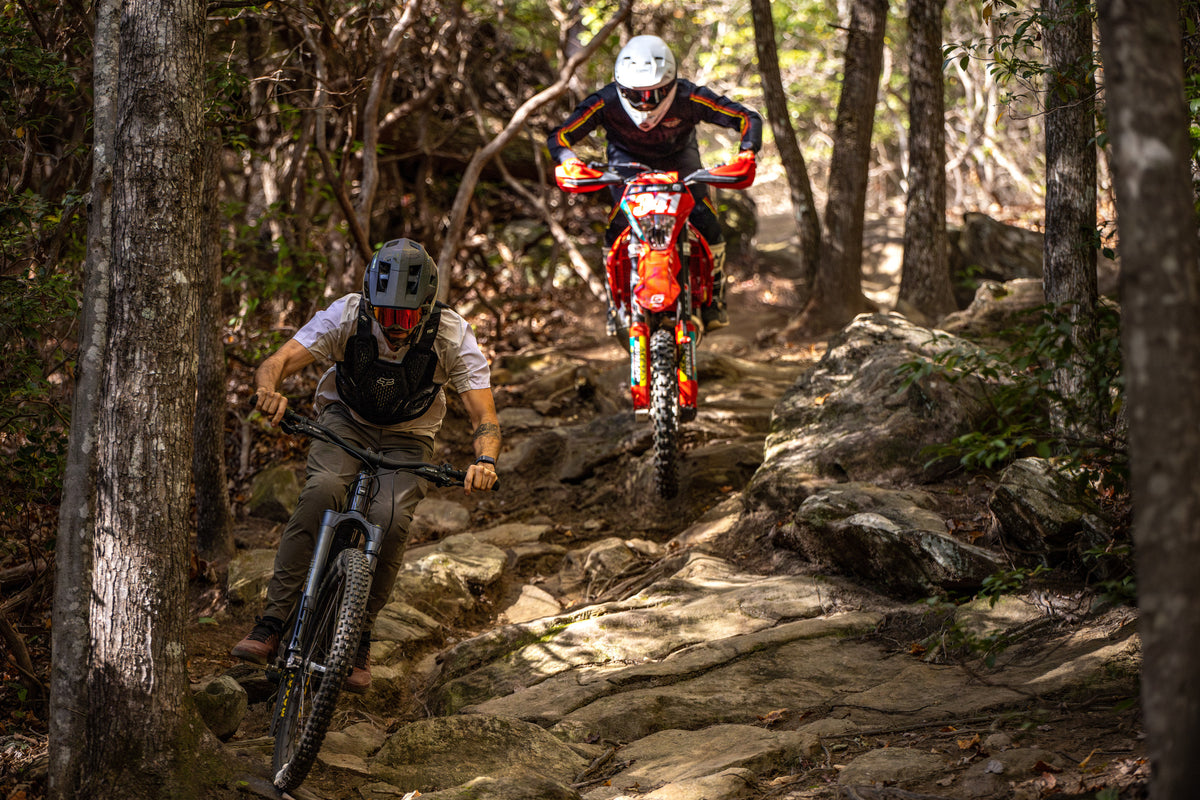
While forks handle the initial impulse of most impacts, shocks have a lot more to do with the overall sense of composure of the entire bike. They often get overlooked when it's time to upgrade suspension because many riders see them as part of the frame itself. This is a mistake and likely due to the fact that they are smaller and less of a visual focal point on the bike. In certain scenarios, a shock upgrade can deliver more meaningful performance improvements than a fork replacement.
Shocks Work Harder
Ever stop to notice that the amount your rear shock can compress is much less than the listed rear travel of your mountain bike? That's because of something called the leverage ratio of your frame. The leverage ratio describes how far the rear axle moves for every mm that the shock moves. Essentially, the rear triangle of your full suspension bike acts like a giant prybar on the shock making the forces that the shock has to handle sometimes 3x greater than that of a fork.
In comparison, forks have a much simpler job. No matter the bike, forks experience a 1:1 leverage ratio – if the axle moves 1mm, the fork damper moves 1mm. As a result of this, forks experience much lower shaft speeds and much lower forces. Upgrading your shock puts the investment into the portion of your damping that does the most work – and therefore has the most to gain.
Rear Wheel Traction and Control
Your shock directly affects rear wheel traction, particularly important for maintaining control during climbs, corners, and technical descent sections. A quality shock keeps the rear wheel planted, providing the traction needed for effective braking and acceleration. This becomes critical on steep, loose terrain where rear wheel slip can end your momentum or cause a total loss of control.
Fine-Tuning and Customization Opportunities
Usually, shocks that come stock on bikes are internally tuned by the manufacturer to accommodate their preferences and their idea of the "average" rider that will use the bike. The majority of the shock’s feel and behavior gets set internally and can’t be adjusted by the rider. While this is a great thing for beginners who simply want to jump on and have a decent experience without having to apply any specific knowledge, it can limit an experienced rider significantly.
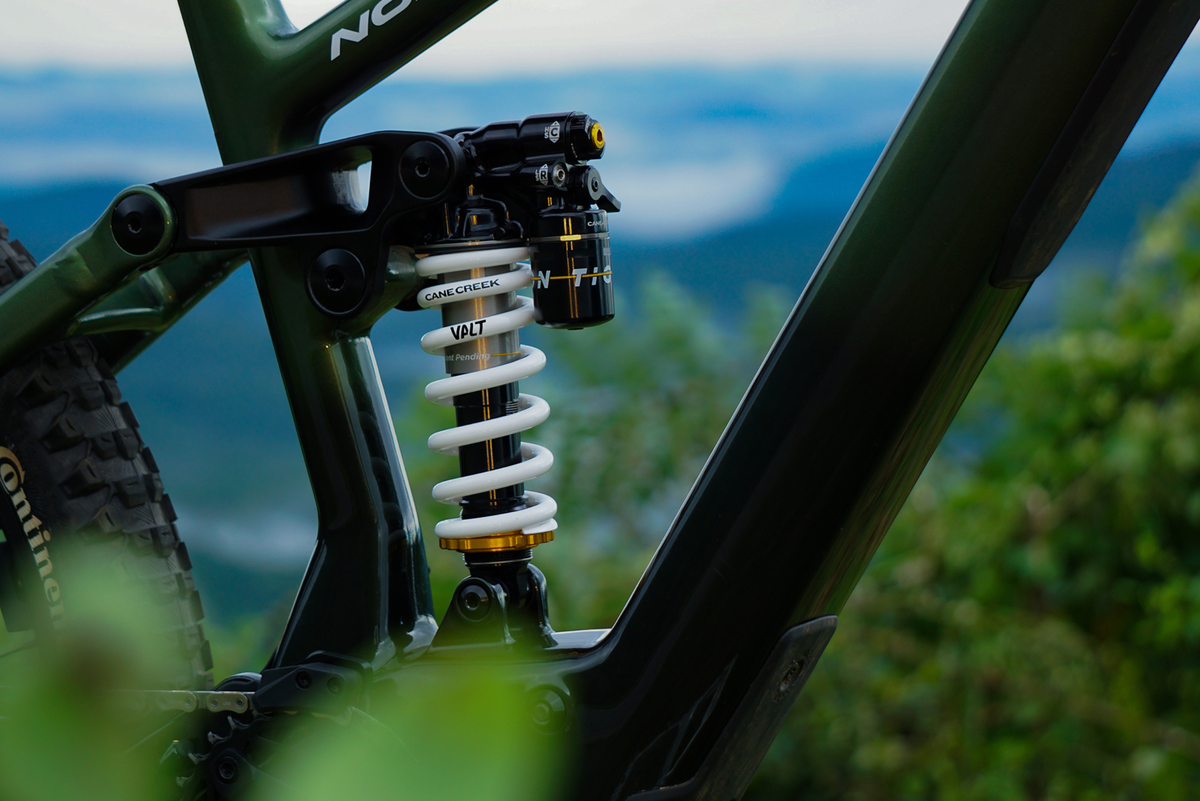
With a Cane Creek shock, all of those internal settings are made available to you on the outside of the shock. You have the ability to dial in exactly how it feels. You will not be limited by a prescribed tune that was chosen by someone else - for someone else. This level of adjustability appeals to riders who enjoy experimenting with different settings for varying trail conditions or simply want maximum control over their bike's behavior. If you’ve ever been dissatisfied with the way your stock shock performs, even after trying several different settings – something more advanced like a Cane Creek shock is the answer you’ve been looking for.
All Cane Creek shocks use a twin tube damper that flows a higher volume of oil in a fully circulating path through external adjusters. This circulation gives you the ability to access wide-ranging damper settings without the need for internal valving changes. It increases the tunability of the shock, allowing you to have better success setting up your shock for your bike and your specific manner of riding. The increased oil volume and twin tube circulation also helps our shocks remain consistently sensitive over the course of a long and demanding descent.
Short Travel - Big Gains
Short travel mountain bikes (100mm – 130mm rear travel) often stand to gain the most from a shock upgrade. These bikes are often designed to be all-around performers that prioritize climbing ability more than their longer-travel cousins. As such, product managers often make the decision to spec small, lightweight, and simple rear shocks that frankly leave a LOT to be desired when you point the bike downhill. Many consumers don't understand the ins and outs of suspension performance, and rear shocks often fly under the radar when purchasing a new bike in this category.
Since these bikes have a small amount of travel to begin with, maximizing what that travel can accomplish is huge. Better, more controlled damping can make a short travel bike feel noticeably calmer and more planted on high-speed descents, and it can even make for better traction when climbing! Upgrading the shock on a short travel bike to something with a higher volume of oil and wider range of adjustment can help you turn up the capability of the bike and stretch the bounds of what it feels confident to handle.
Full-Suspension Balance
On full-suspension bikes, the shock works in concert with your fork to create a balanced suspension platform. Often riders jump to upgrade the fork first, as it's much more of a natural focal point. If you do this, you may quickly wind up in a situation where your fork significantly outperforms your shock and the suspension system can feel unbalanced.
When Shock-First Makes Sense
If your dissatisfaction with your current suspension extends beyond just the way the front end feels and you want the whole bike to feel calmer and more controlled, a rear shock upgrade will make a much larger difference. Shocks handle a much wider range of forces than forks, and as such can have a larger impact on the way the whole bike rides. If you're looking for ways to expand the capability of a short travel bike, a rear shock is definitely the place to start rather than a fork.
Key Factors in Your Decision
Current Component Quality
Evaluate your existing suspension components honestly. If one piece is significantly lower quality than the other, upgrade the weaker link first. A basic stock shock paired with a decent fork suggests the shock needs attention, while a quality shock matched with a basic fork points toward fork priority. Make sure the full system is balanced. Regardless of which you do first, it eventually makes sense to pair forks and shocks from the same brand, as their damping characteristics will feel more consistent.
Budget Considerations
Quality suspension components represent significant investments, so budget planning becomes crucial. Research the total cost of your desired upgrade, including installation, potential compatibility issues, and any required additional components. Sometimes the "better" choice isn't feasible within your budget constraints.
Bike Age and Compatibility
Older bikes may present compatibility challenges that influence your upgrade path, particularly with shocks. For decades, mountain bike rear shocks were measured in imperial units (inches). However today, every mountain bike uses metric-sized shocks. The harsh reality is that you may not be able to upgrade the shock on your mountain bike if it's over 10 years old (2016 or older). Fork technology and sizing has been a bit more consistent and while it may require some new headset parts (lower cup/bearing or crown race) it's much more likely that you can make a modern fork work on an older bike. Research compatibility thoroughly before making your decision. If you're unsure what fits, reach out to Cane Creek support by emailing support@canecreek.com or by calling 828-641-9560.
Making the Right Choice for Your Riding
Start with Your Biggest Pain Point
The most effective upgrade addresses your most frustrating riding limitation. If harsh front-end impacts and poor steering precision bother you most, prioritize the fork. If overall bike composure and confidence hold you back – consider a shock. Let your actual riding experience guide the decision rather than theoretical performance benefits.
Consider the Total System
Remember that suspension components work together as a system. The best upgrade choice considers how the new component will interact with your existing setup. Sometimes upgrading the "wrong" component first still makes sense if it creates better overall balance or addresses compatibility issues.
Plan Your Upgrade Path
Many riders eventually upgrade both components, so consider your long-term plans. If you're planning a complete suspension overhaul within a year or two, the order becomes less critical. However, if this upgrade needs to last several seasons, choose the component that delivers maximum immediate impact.
Don't Overlook Maintenance
Riders rarely maintain their suspension very well. Before investing in new components, ensure your current suspension receives proper service and rebuilds. A professionally serviced fork or shock performs noticeably better than neglected units, potentially delaying the need for expensive upgrades. Basic service work also costs a fraction of new components and might solve your performance issues.
The Bottom Line
Ultimately, both fork and shock upgrades will eventually enhance your riding experience. You can't go wrong with either, but don't neglect the shock just because it seems like less of an obvious focal point. Shocks work much harder than forks and can have a bigger impact on the way your bike feels.