
Teoría de suspensión en porciones pequeñas para beneficios a tamaño completo
Parte I: Sintoniza para la confianza

No solo ajustes la suspensión para que se sienta más suave y cómoda, ajústala para que tu bicicleta se sienta más predecible.
En esencia, la suspensión existe para mantener tus neumáticos en contacto con el suelo. Cuando está correctamente ajustada, una buena suspensión evita que tus ruedas reboten o derrapen al encontrarse con baches y superficies sueltas. El efecto secundario positivo de esto es que tu viaje también se vuelve más suave y cómodo, pero esa no es la razón principal de la existencia de la suspensión. La razón principal de la suspensión en cualquier vehículo de alto rendimiento se puede resumir en una palabra: control.

Sin una suspensión bien ajustada, cada bache en el sendero hace que las ruedas se despeguen del suelo. El movimiento resultante y brusco provoca aspereza y pérdida de control.
El control lo es todo. El control te permite girar, acelerar y, lo más importante, desacelerar. El verdadero trabajo de la suspensión es aumentar la cantidad de control que tienes sobre la bicicleta mientras avanzas por el sendero. Más control te permite conducir con más confianza, y más de ambos te permite ir a mayores velocidades (si eso es lo que quieres hacer).
Además del control adicional, una buena suspensión debe sentirse de apoyo. Debe proporcionar una sensación predecible y consistente de plataforma contra la que puedas empujar al rodar sobre terrenos irregulares. No debe hundirse o comprimirse tan fácilmente que se sienta inestable, imprecisa y blanda.
Cuando la suspensión hace todo esto correctamente, sentirás una fuerte sensación de confianza en cómo la bicicleta va a responder a diferentes situaciones como saltos, baches o secciones difíciles. La bicicleta se sentirá más predecible, más como una extensión de tu propio cuerpo y menos como una bestia separada bajo ti. Todos hemos sentido la temida sensación de ser pateados, sacudidos o rebotados por una suspensión mal ajustada. De hecho, muchas veces los ciclistas experimentan esta sensación de ser lanzados hacia adelante sobre el manillar porque su configuración es demasiado blanda, ¡no al revés! Cuando tienes que concentrarte en prepararte para luchar contra una suspensión rebelde o sin apoyo, tienes que desviar la atención del sendero. Por esta razón, una configuración predecible suele ser la mejor. Una bicicleta predecible te permite tener el control de la situación en todo momento, no al revés.
Entonces, ¿cuál es la conclusión?
Al ajustar tu suspensión, busca una sensación distinta de confianza y previsibilidad. Al tomar cualquier decisión de ajuste, pregúntate: “¿Este cambio me hace sentir más confiado?” o “¿Este cambio hace que mi bicicleta se sienta más predecible?” Estas son las preguntas de ajuste que realmente importan. Si sigues estas líneas de pensamiento, es probable que termines con configuraciones de suspensión que funcionen para ti de la manera correcta.
Recuerda, incluso con una suspensión perfectamente ajustada, montar en bicicleta de montaña siempre va a ser algo incómodo y áspero. Por eso puede ser peligroso perseguir la comodidad como tu objetivo principal de ajuste. Los ciclistas que pasan demasiado tiempo buscando una sensación suave y demasiado mullida a menudo terminan con una bicicleta que carece de apoyo. En realidad, se conduce más bruscamente porque pasan más tiempo profundamente en el recorrido luchando contra niveles más altos de fuerza del resorte que empujan hacia atrás en sus manos y pies. (Más sobre esto en la Parte II.)
Una vez que te liberes de la falsa idea de que bajar un sendero alguna vez se sentirá tan suave o cómodo como una carretera pavimentada, podrás ajustar para las cosas que te permitirán montar más relajado y con más confianza. Estarás a cargo y podrás atacar el sendero con más agresividad que antes. Puede parecer contradictorio, ¡pero incluso podrías descubrir que la configuración más rígida y de mayor apoyo es en realidad más cómoda a largo plazo!
Encuentra tu melodía perfecta
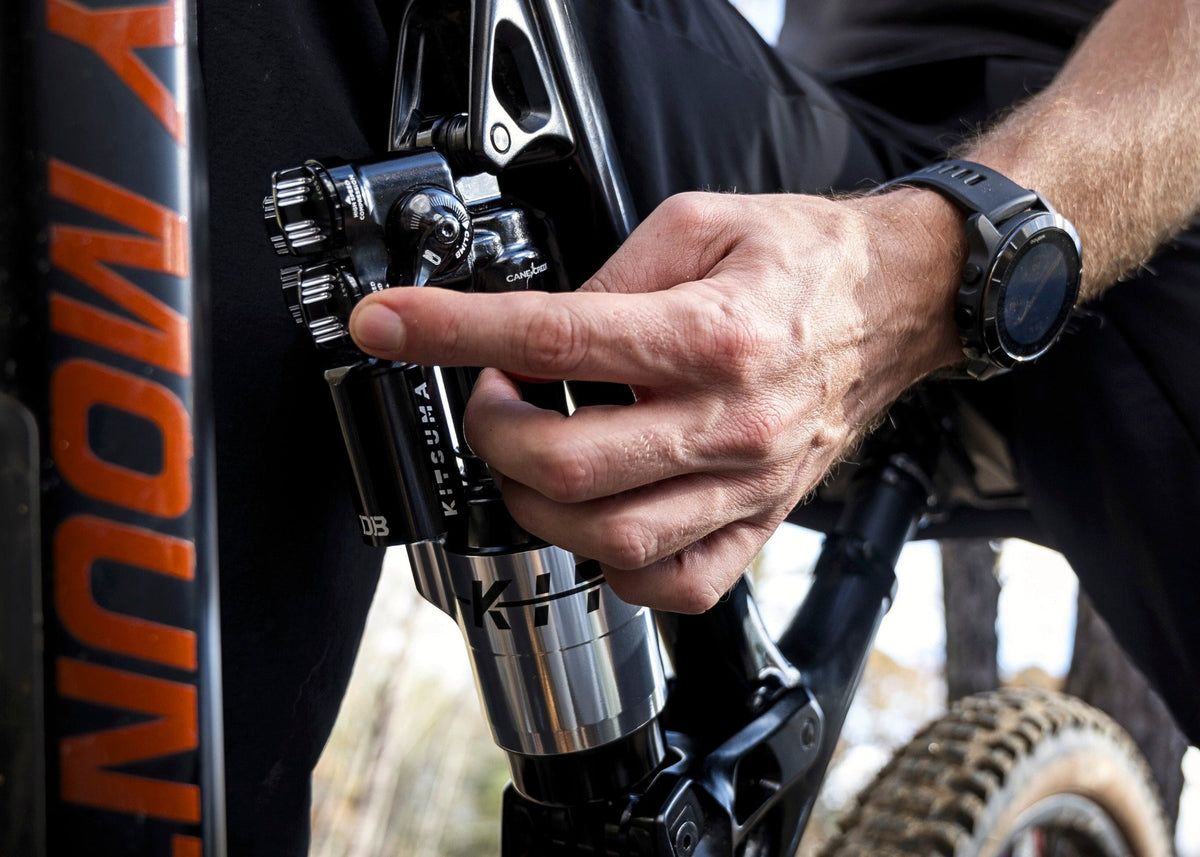
¿Disfrutando del recorrido completo? Pon en práctica todos estos conceptos y profundiza en la configuración del amortiguador usando nuestra aplicación interactiva de ajuste paso a paso. ¡Es fácil de seguir y totalmente gratis!